
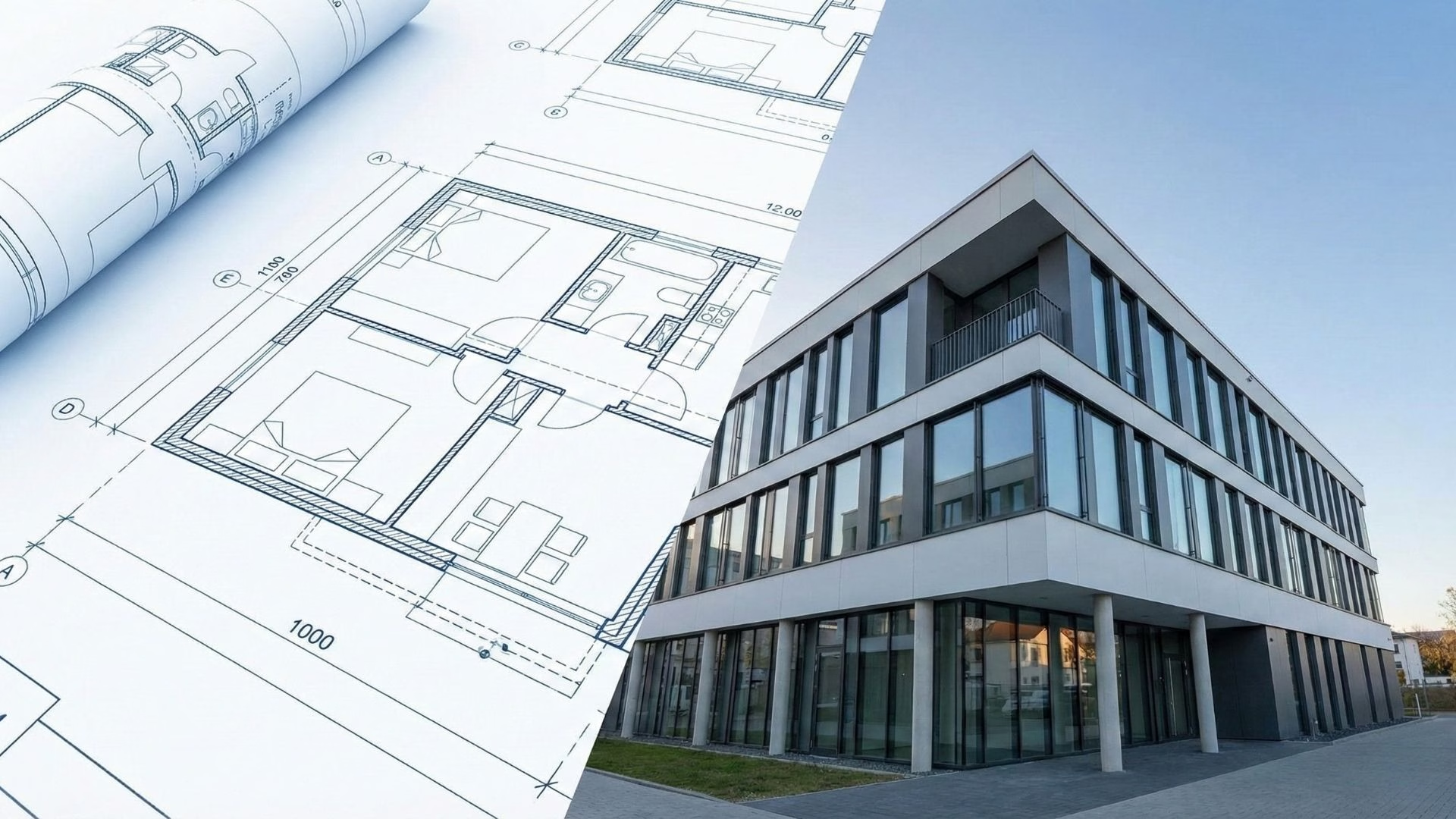
In the complex worlds of architecture and construction, confusing initial designs with final documentation is a recipe for disaster. While they may look similar, the data they contain serves entirely different purposes. Understanding this distinction is vital for property owners and developers to avoid costly errors during renovations, retrofits, or facility management.
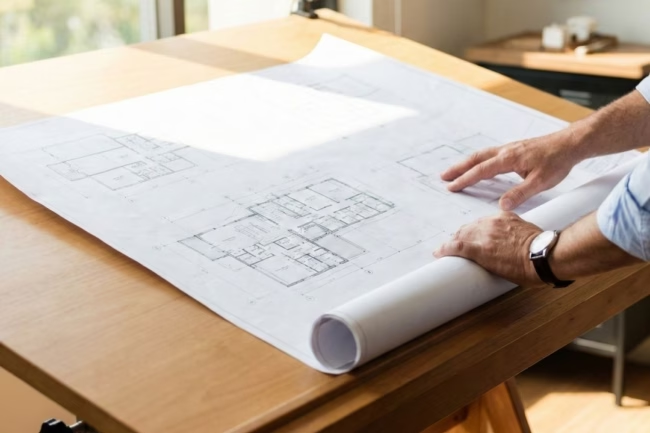
The Blueprint: Understanding Original Design Plans
Original plans represent the “design intent” rather than the physical reality of a completed structure. Architects create these documents to secure permits and guide contractors before ground is ever broken. They outline how a building should ideally look and function, but they cannot account for the on-site adjustments that inevitably happen during construction.
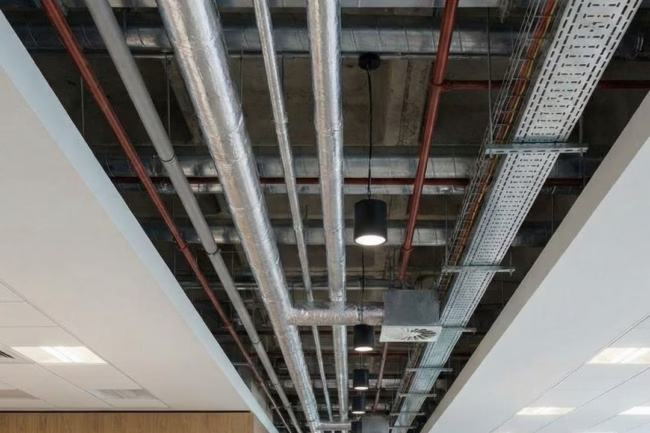
The Reality: Defining As-Built Drawings
In contrast, as-builts are the “final record” of the building as it actually exists today. These documents capture every deviation from the original design, including relocated plumbing, shifted walls, or structural changes. For accurate documentation, our professional as-build drawing services ensure that what is on paper matches the physical structure exactly.
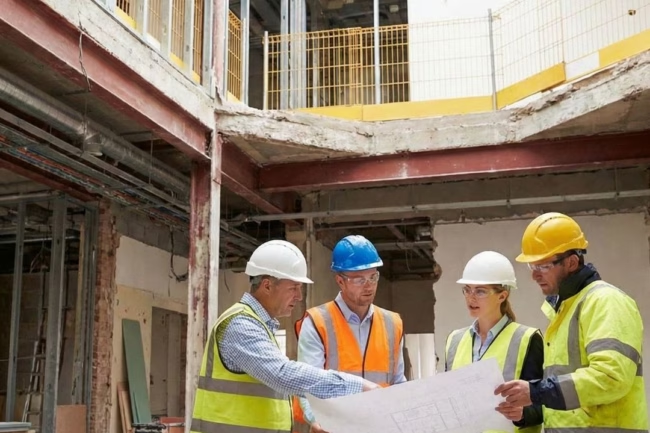
Why Accuracy Matters in NYC and Miami
Relying on old blueprints for new projects is dangerous, especially in dynamic markets like ours. Accurate NYC as-built drawings are essential for navigating strict local codes, while precise Miami as-built drawings help mitigate risks in complex renovations. Without up-to-date data, you risk hitting unforeseen infrastructure, leading to expensive change orders and project delays.
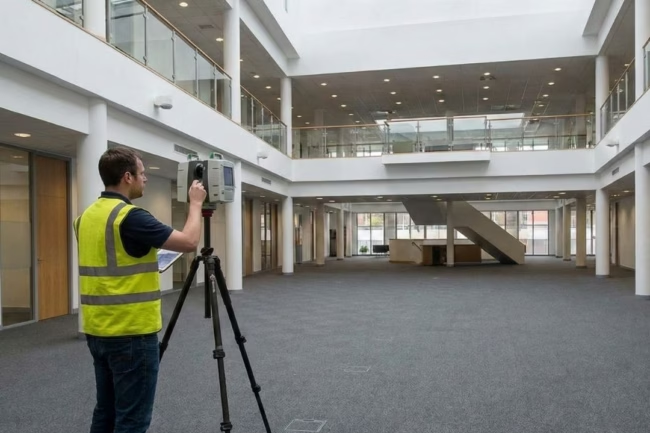
From Laser Scanning to BIM Models
We utilize advanced 3D laser scanning technology to bridge the gap between unknown conditions and reliable data. This non-invasive method captures millions of data points to create millimeter-accurate 2D drawings and 3D BIM models. This high-tech approach eliminates manual measuring errors, providing a digital twin that serves as a perfect foundation for future development.
Whether you are managing a historic high-rise in Manhattan or a commercial development in South Florida, knowing the exact condition of your asset is non-negotiable. At Archidata Services, we specialize in transforming physical spaces into precise digital reality. Contact us today to discuss your project needs and ensure your next renovation is built on accuracy.


